Health Risks Linked to Birds and Bats in Commercial Properties
Commercial bird and bats control experts can help reduce health risks linked to birds and bats in commercial properties by safely removing pests and preventing contamination.
If your commercial property has noticed birds or bats roosting nearby, understanding the health risks linked to birds and bats in commercial properties becomes essential. These animals can carry diseases that may be transmitted to building occupants or staff through droppings, nesting materials, or contaminated surfaces. Addressing these concerns proactively can help maintain a safe and healthy environment, especially for businesses that handle food, healthcare, or public-facing services. Local contractors specializing in bird and bat control can assess your property’s specific situation and recommend practical measures to reduce exposure to potential health hazards.
Exploring options for bird and bat control is a practical step for property owners seeking to minimize health risks linked to birds and bats in commercial properties. These professionals can implement humane exclusion methods, clean and sanitize affected areas, and help prevent future roosting or nesting sites. Keeping your property free from bird and bat infestations not only supports a healthier workspace but also helps prevent the spread of illnesses associated with these animals. Connecting with experienced service providers can ensure that the necessary steps are taken to protect your business environment effectively.
- Commercial Bird Control - Businesses experiencing bird infestations in their buildings may seek this service to prevent health risks linked to birds and bats in commercial properties. Local contractors typically employ exclusion and removal methods to reduce contamination and disease spread. Bats Control - Property owners noticing bat colonies in attics or roof spaces might need this work to mitigate health risks linked to birds and bats in commercial properties. Local pros often focus on humane removal and sealing entry points to prevent health hazards. Bird and Bat Proofing - Commercial facilities facing ongoing bird or bat activity may pursue proofing solutions to avoid health risks linked to birds and bats in commercial properties. Service providers usually install barriers and deterrents to keep pests out and reduce disease transmission. Wildlife Cleanup and Disinfection - After bird or bat removal, businesses may require cleanup services to address contamination and health risks linked to birds and bats in commercial properties. Local experts typically disinfect affected areas to ensure safety and sanitation. Health Risk Assessment for Birds and Bats - Commercial property managers concerned about potential health hazards from bird and bat populations might seek assessments to identify risks linked to birds and bats in commercial properties. Local specialists evaluate infestation levels and recommend appropriate control measures.
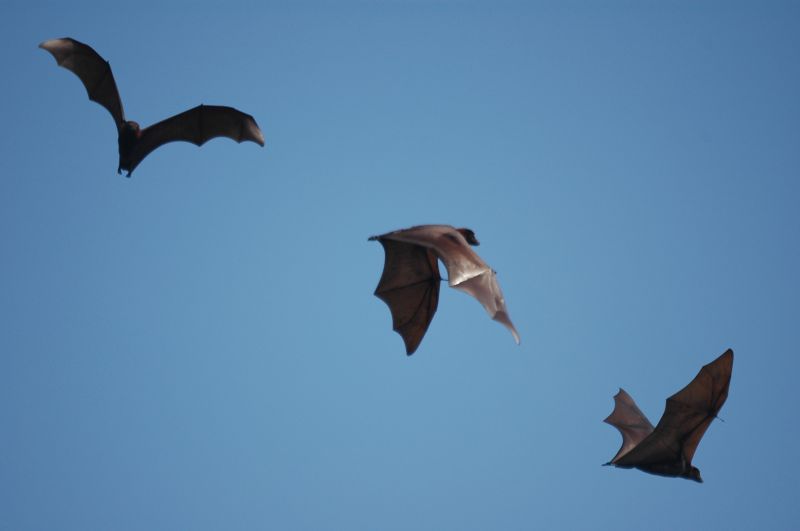
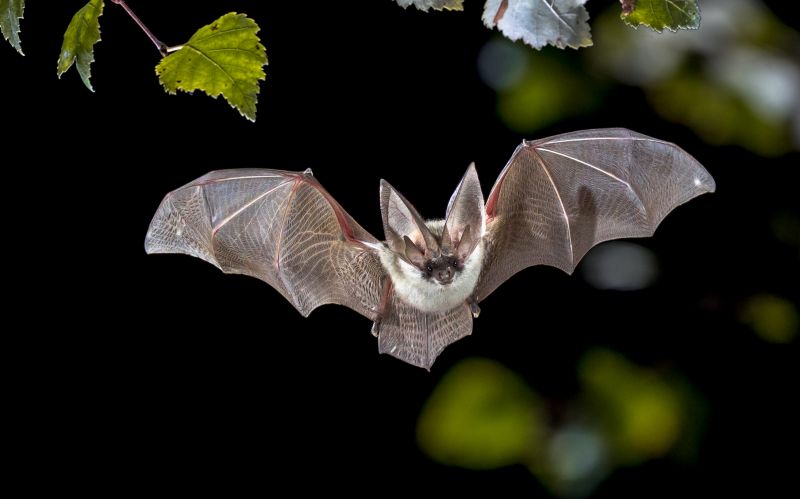
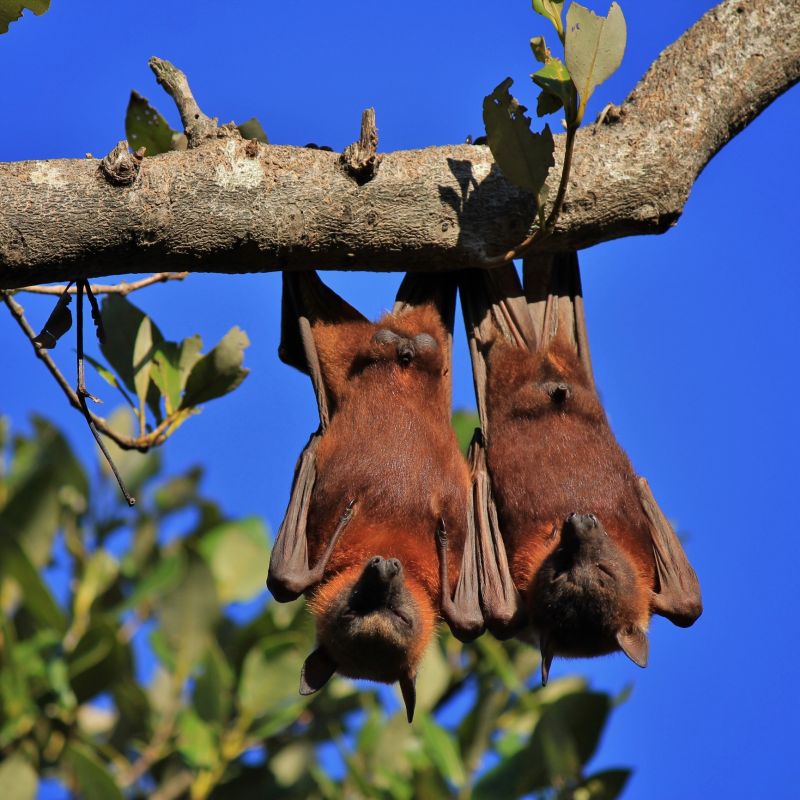
When searching for information about health risks linked to birds and bats in commercial properties, individuals are often concerned about the potential threats these animals can pose to building occupants and visitors. This topic typically arises when property owners or managers notice signs of bird or bat activity, such as droppings, nests, or noise, and want to understand the health implications. Many are interested in how these pests might contribute to the spread of diseases, cause structural damage, or create unsanitary conditions that could impact business operations. Understanding these risks helps property owners make informed decisions about pest management strategies and the importance of professional intervention.
The problems associated with birds and bats in commercial buildings often involve health hazards that can affect employees, clients, and visitors. Bird and bat droppings can harbor harmful pathogens, fungi, and bacteria that may lead to respiratory issues or other health problems when disturbed or accumulated. Nests and roosting sites can also attract parasites like mites and fleas, which can further spread disease. Additionally, the presence of these animals can lead to contamination of food storage or preparation areas, creating serious sanitation concerns. Property owners may also be planning preventive measures or remediation projects to reduce these health risks, making it essential to work with experienced service providers who understand the unique challenges of commercial settings.
Certain types of properties are more likely to encounter health risks linked to birds and bats. Commercial facilities such as warehouses, retail stores, office buildings, and food processing plants often provide suitable roosting or nesting sites. Roof eaves, vents, attics, and loading docks are common places where birds and bats may settle or nest, especially if access points are not properly sealed. These properties tend to have larger open spaces or structural features that facilitate animal entry and nesting, increasing the potential for health hazards. For property owners, identifying these vulnerable areas and implementing effective exclusion and removal strategies are crucial steps in minimizing health risks linked to birds and bats in commercial environments.
Local service providers specializing in bird and bat control play a vital role in addressing health risks linked to these animals in commercial properties. They can assess the property to identify entry points, nesting sites, and areas of accumulation that pose health hazards. These professionals implement integrated pest management approaches, including humane exclusion, removal, and sanitation measures, to reduce the presence of birds and bats effectively. Working with experienced contractors ensures that property owners can eliminate health risks while also preventing future infestations. Connecting with local pros allows commercial property managers and owners to find tailored solutions that safeguard health and maintain a safe, sanitary environment for everyone inside the building.
Wildlife exclusion projects - local contractors specializing in wildlife exclusion can help prevent birds and bats from entering commercial buildings, reducing health risks linked to these animals.
Pest and animal control services - professionals experienced in pest management address health hazards by safely removing bird and bat colonies from commercial properties.
Building inspection and assessment - local service providers conduct inspections to identify entry points and nesting sites that pose health risks linked to birds and bats in commercial spaces.
Sanitation and cleanup services - experts in sanitation assist with the removal of droppings and contaminants associated with birds and bats, minimizing health risks linked to these animals.
Structural repair and sealing - contractors repair and seal building openings to prevent future bird and bat infestations, reducing ongoing health hazards in commercial properties.
Bird and bat habitat modification - specialists modify or install deterrents and habitat alterations to keep birds and bats away from commercial buildings, lowering health risks linked to these animals.
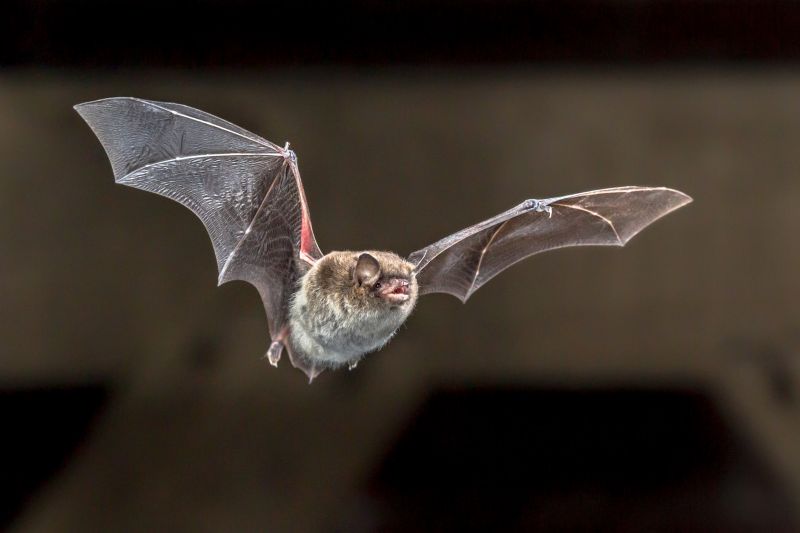
When evaluating service providers for commercial bird and bats control, it is important to consider their experience with similar projects. An experienced contractor will have a clear understanding of the specific health risks linked to birds and bats in commercial properties and will be familiar with effective removal and prevention techniques. Checking whether a contractor has handled projects in similar settings can provide insight into their ability to address unique challenges, such as building design or existing pest issues, ensuring that the approach is both thorough and appropriate for the property's needs.
Clear written expectations are essential when selecting a local contractor for bird and bats control services. A reputable provider should be able to offer detailed descriptions of the scope of work, including inspection procedures, removal methods, and follow-up measures. This documentation helps ensure that all parties agree on what will be done, reducing misunderstandings and providing a basis for accountability. Well-defined expectations also make it easier to compare different providers and determine which one aligns best with the property's requirements.
Good communication and reputable references are key indicators of a dependable service provider. Local contractors who are transparent about their processes and willing to share references can give potential clients confidence in their professionalism and track record. Engaging with past clients or reading reviews can reveal how effectively a contractor communicates, addresses concerns, and resolves issues. This level of openness and responsiveness is vital when dealing with health risks linked to birds and bats, as it ensures that property owners stay informed and involved throughout the project, ultimately leading to a more successful and satisfactory outcome.
Property owners often search for health risks linked to birds and bats in commercial properties when they are planning practical projects around their homes and businesses. Local pros provide Commercial Bird and Bats Control services for everyday jobs and straightforward project options.
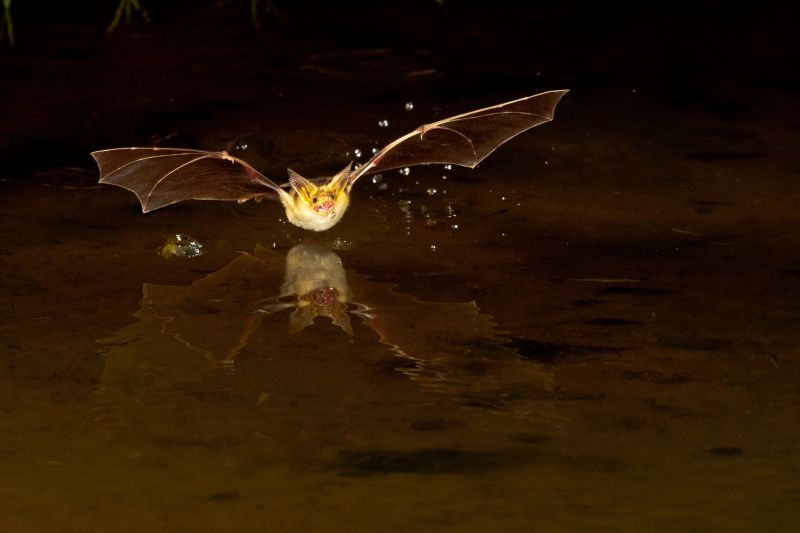
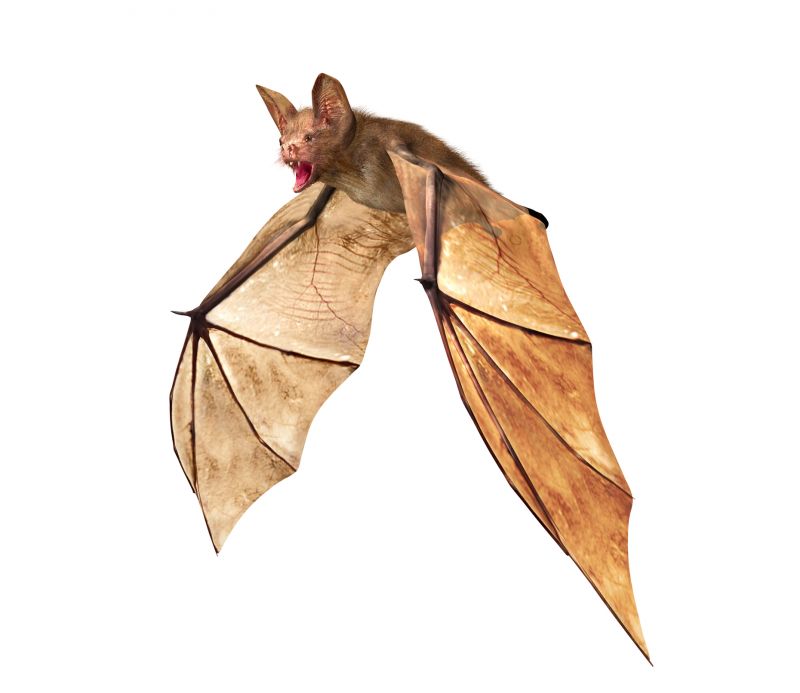
Birds and bats often seek shelter in commercial properties, especially in areas with accessible eaves, vents, or open rafters. While these animals may seem harmless, their presence can pose significant health risks linked to birds and bats in commercial properties. Droppings and nesting materials can accumulate over time, creating unsanitary conditions that promote the growth of bacteria and fungi. This buildup can lead to respiratory issues and other health problems for employees and visitors. Property owners concerned about maintaining a safe environment might consider reaching out to local contractors who specialize in bird and bat control to address these potential hazards effectively.
In addition to hygiene concerns, the health risks linked to birds and bats in commercial properties include the spread of diseases such as histoplasmosis, salmonellosis, and even rabies in rare cases. These risks highlight the importance of proper exclusion and control measures to prevent animals from nesting or roosting on the premises. Local service providers experienced in commercial bird and bats control can assess property vulnerabilities and implement solutions to mitigate these health dangers. Engaging with these professionals can help property owners maintain a healthier, safer environment for everyone inside the building.
What health risks are associated with birds and bats in commercial properties? Birds and bats can carry diseases like histoplasmosis, salmonella, and avian flu, which may pose health risks to building occupants. Local contractors specializing in bird and bat control can help reduce these dangers by safely removing and preventing infestations.
How do birds and bats impact indoor air quality in commercial spaces? Droppings, feathers, and nesting materials from birds and bats can degrade indoor air quality and promote mold growth. Professional control services can identify entry points and implement measures to keep these pests out, improving overall air safety.
Can bird and bat droppings cause structural damage to commercial buildings? Yes, accumulated droppings are acidic and can corrode building materials, leading to costly repairs. Experienced contractors can clean affected areas and install deterrents to prevent future buildup.
Are there health concerns related to bat guano in commercial properties? Bat guano can harbor fungi that cause respiratory illnesses like histoplasmosis. Local pros can safely remove guano and seal entry points to minimize exposure risks.
Why is it important to address bird and bat issues promptly in commercial properties? Delaying control efforts can increase health risks linked to birds and bats, including disease spread and structural damage. Professional services can effectively mitigate these risks and protect building occupants.
Identify nesting areas - property owners can work with local contractors to locate and remove bird and bat nesting sites that pose health risks linked to birds and bats in commercial properties.
Seal entry points - sealing gaps and openings prevents birds and bats from entering buildings, reducing contamination and health hazards associated with their presence.
Implement exclusion methods - installing deterrents and barriers can help keep birds and bats away, minimizing contact and potential health risks linked to birds and bats in commercial spaces.
Schedule regular inspections - routine assessments by local service providers ensure ongoing control and mitigation of health risks linked to birds and bats in commercial properties.
If you are thinking about health risks linked to birds and bats in commercial properties for a property, this guide is meant to help you understand this topic, the typical project types, and how different options might fit your plans.
When you are ready, you can use the quote form on this page to share a few details about your project. From there, local pros can review the basics and follow up with options that match what you have in mind.